Each page counts the researchers, publications, and U.S. patents the Helikon Research Graph holds in one technology area, shows who’s working on it, and gives you a problem statement to run in Partner Search.
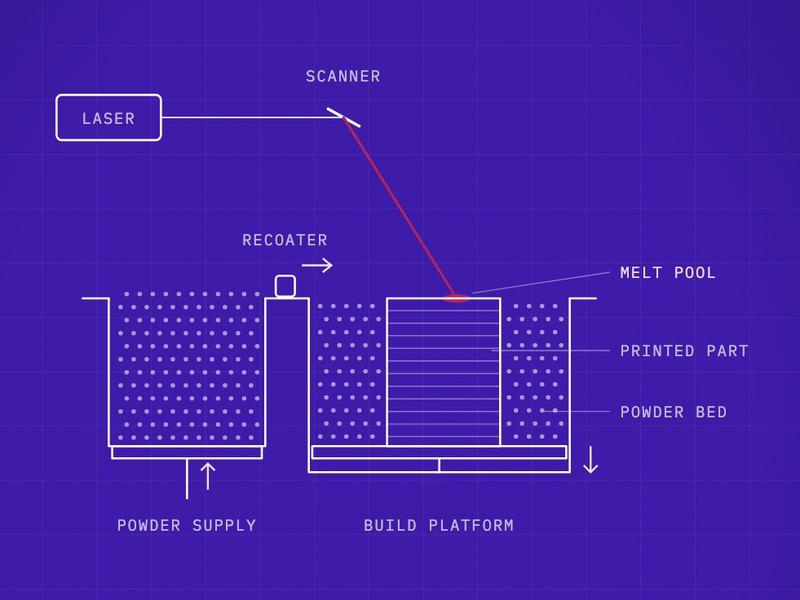
University manufacturing and materials science groups, national laboratories with additive programs, and company research teams in aerospace, medical devices, and tooling. Many inventors here also publish, so a patent often leads you to the lab behind it.
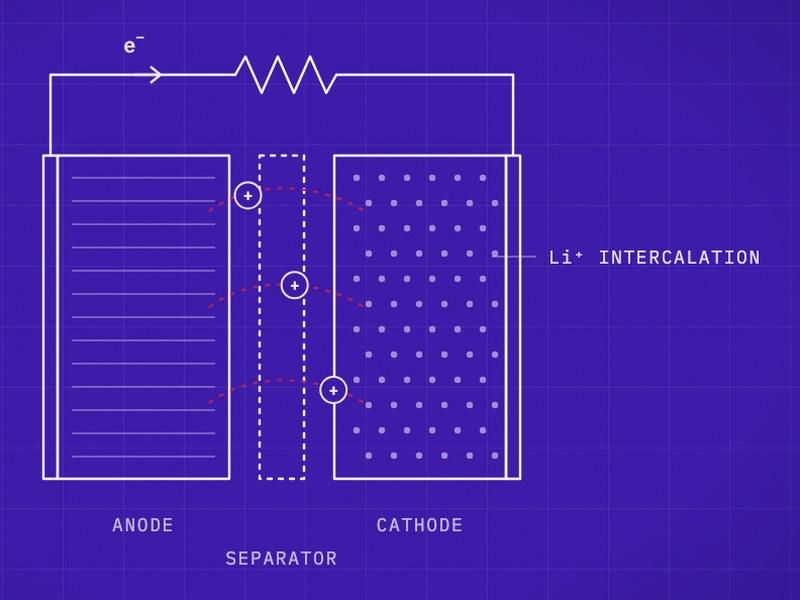
Electrochemistry and materials groups at universities, national laboratory battery programs, and company research teams in cells, materials, and grid storage. The patents here are U.S. grants, so the inventors include company engineers as well as academics.
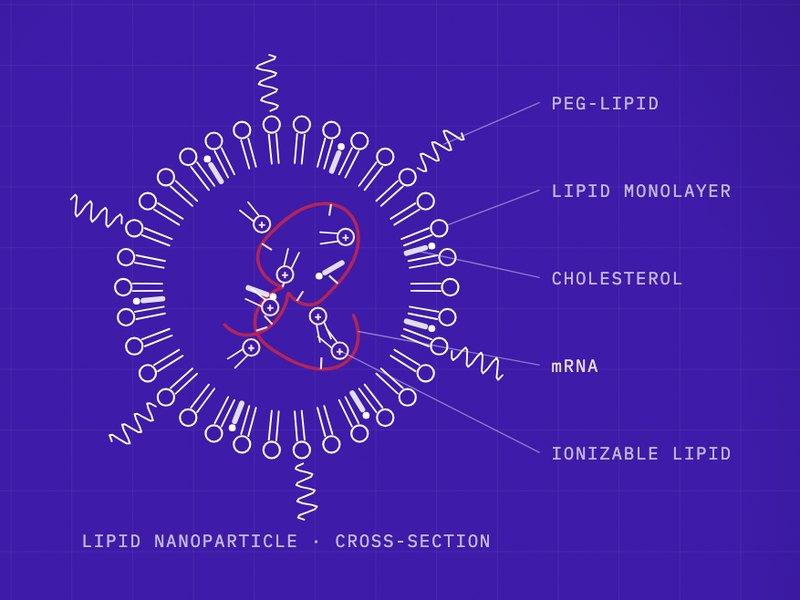
Pharmaceutics, bioengineering, and chemical engineering groups at universities and medical schools, research hospitals, and company formulation and device teams. Inventors on delivery patents often sit in the same groups that publish the underlying chemistry.
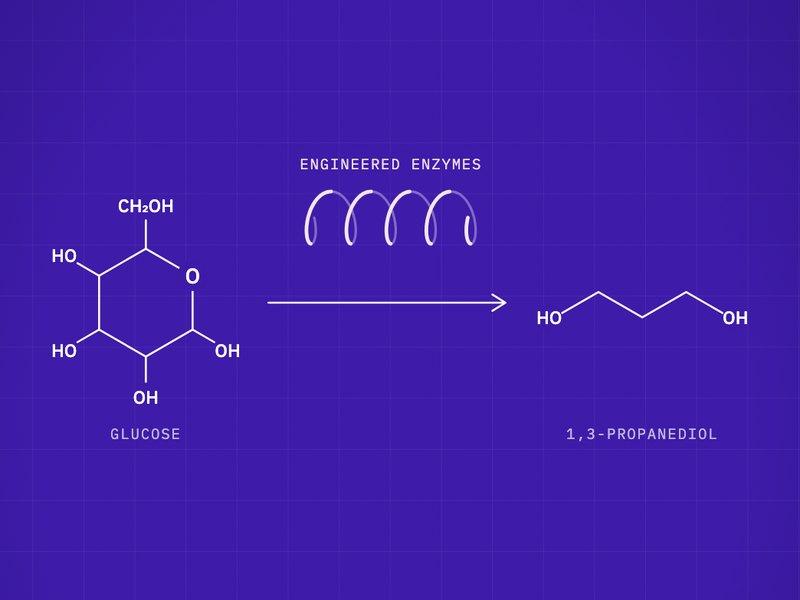
Chemical and biological engineering departments, biomanufacturing institutes and pilot facilities, and company process development teams in food, materials, and biologics. Many groups here hold patents on the process rather than the product.
Analytical and environmental chemistry groups, environmental engineering departments working on water treatment, and materials chemists developing fluorine-free coatings and foams, along with company research teams in water treatment, textiles, and firefighting products.
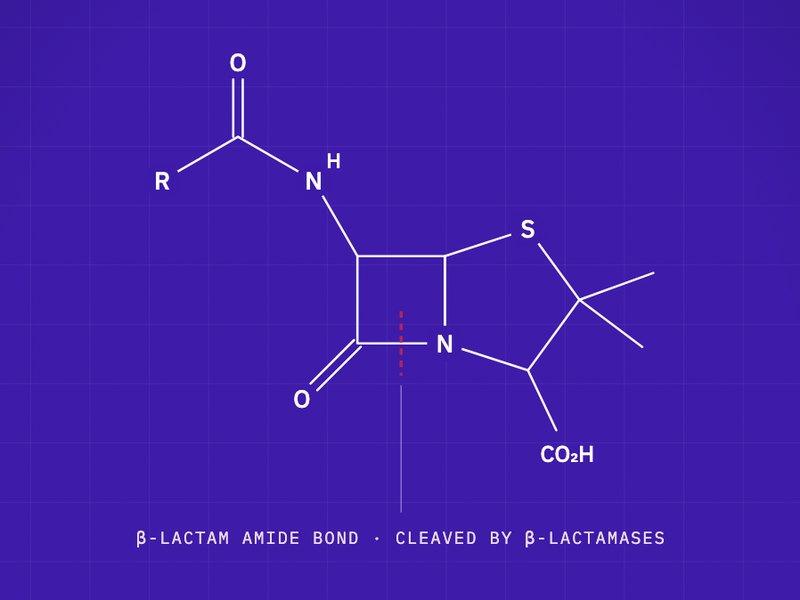
Microbiology, medicinal chemistry, and infectious-disease groups at universities and medical schools, public health laboratories, and company discovery teams in antibiotics and diagnostics. A testing program often pairs a chemistry group with a clinical microbiology lab.
Electrochemistry, catalysis, and materials groups at universities, national laboratory hydrogen programs, and company teams building electrolyzers, catalysts, and membranes. Many of the same electrochemists also work on batteries and fuel cells.
Polymer chemistry, catalysis, and chemical engineering groups at universities, national laboratory recycling programs, and company teams in chemicals, packaging, and materials. The academic field is small next to the industrial interest in it.
Chemical engineering, polymer, and materials groups at universities, national laboratories, and company teams in water treatment, gas processing, and chemicals. Many of the same groups work across water, gas, and solvent separations.
Electrical engineering, materials science, and physics groups at universities, national laboratory microelectronics programs, and company teams in fabrication, packaging, and equipment.
Chemical engineering, chemistry, and materials groups at universities, national laboratory carbon management programs, and company teams in sorbents, solvents, electrolyzers, and process design. Many of the same groups also work on hydrogen and separation membranes.
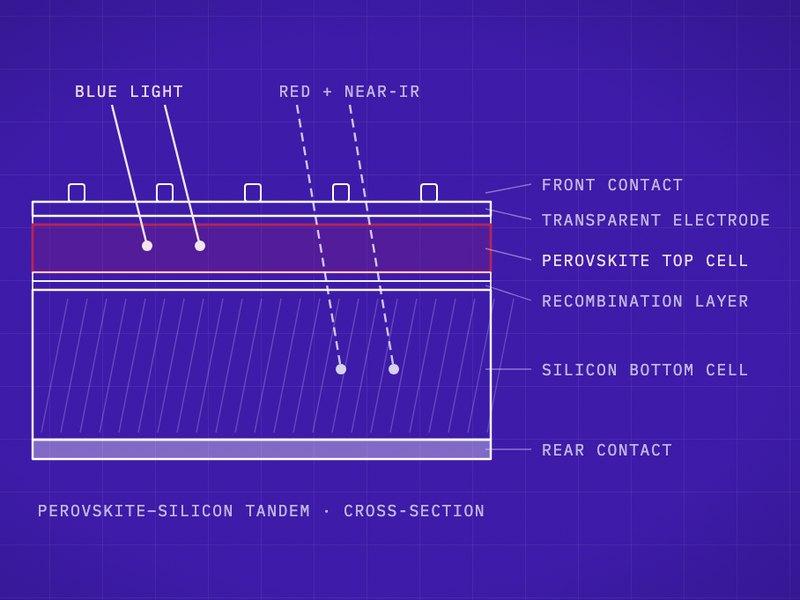
Chemistry, materials science, physics, and electrical engineering groups at universities, national laboratory photovoltaics programs, and company teams in cell and module manufacturing, thin films, space power, materials, and deposition equipment.
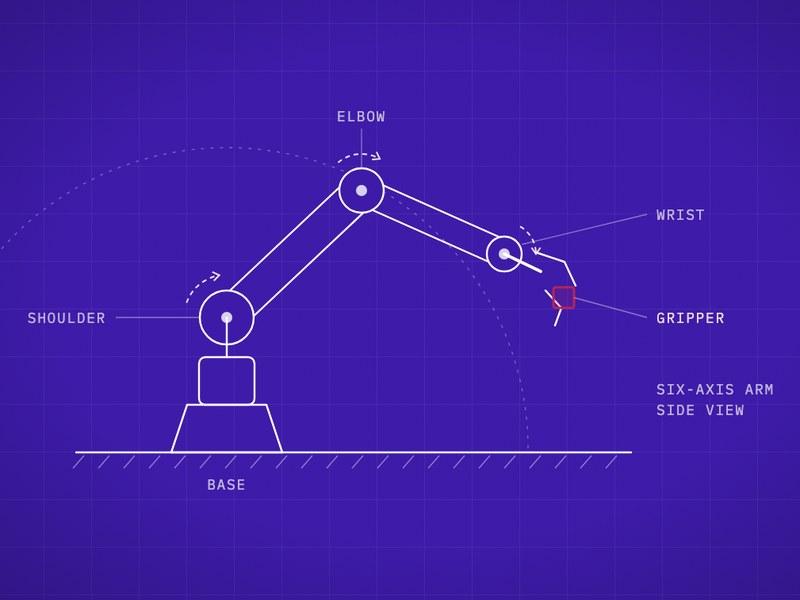
Mechanical engineering, electrical engineering, and computer science groups at universities, national laboratories, and company teams in industrial automation, logistics, surgical systems, and consumer robots.
Computer science, electrical engineering, mechanical engineering, and transportation groups at universities, national laboratories, and company teams at automakers, suppliers, sensor makers, and autonomy developers.
Polymer science, chemical engineering, materials, and wood science groups at universities, national laboratories, and company teams in chemicals, paints, tapes and labels, aerospace and automotive. The largest companies here hold far more patents than they publish, so the patent lists lean toward industry.
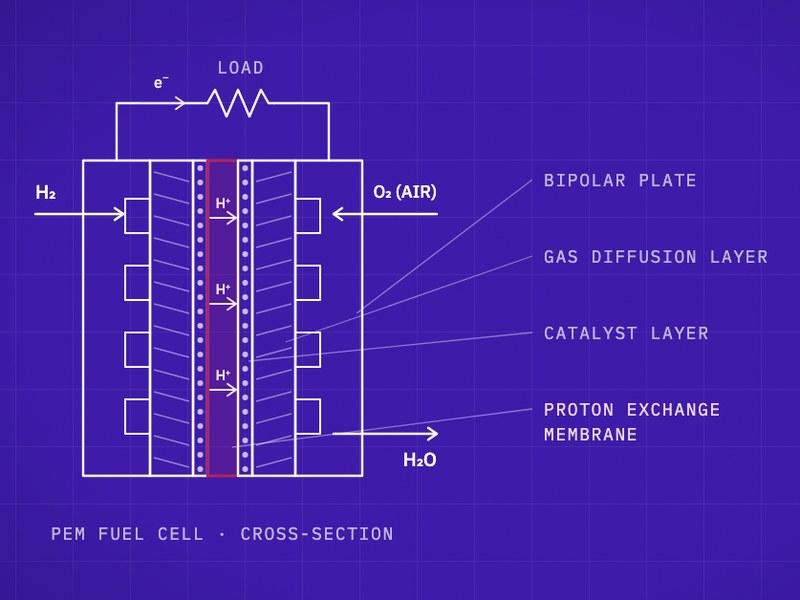
Electrochemistry, materials, and chemical engineering groups at universities, national laboratory hydrogen and fuel cell programs, environmental engineering groups working on microbial fuel cells, and company teams at automakers, stack makers, and catalyst and membrane suppliers. Many of the same electrochemists also work on electrolyzers and batteries.
Chemistry, chemical engineering, forest biomaterials, and polymer science groups at universities, national laboratory bioenergy and biomass programs, and company teams in chemicals, packaging, agriculture, and paper. Much of the feedstock chemistry here also feeds biofuels research.
Bioengineering, chemical engineering, immunology, and gene therapy groups at universities and medical schools, children’s and cancer hospitals that run their own cell processing and vector facilities, and company teams making vectors, cell therapies, and the equipment and reagents to produce them. Many academic gene therapy programs hold the vector patents themselves.
Electrical and computer engineering groups at universities, national laboratory power electronics programs, and company teams in semiconductors, automotive, industrial drives, renewable energy, and consumer electronics. The largest companies hold far more patents than they publish, so the patent lists lean toward industry.
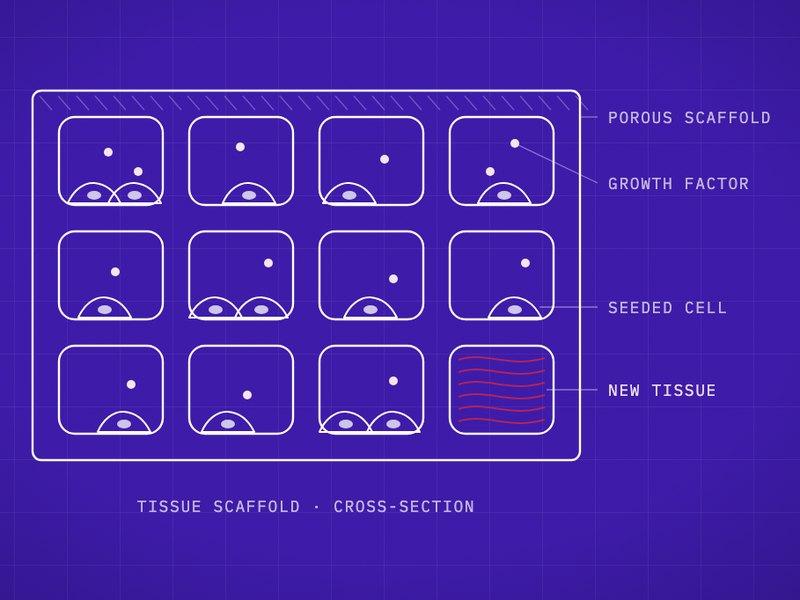
Biomedical engineering, materials science, and surgery groups at universities and academic medical centers, and company teams in orthopedics, medical devices, and regenerative medicine. Many inventors here also publish, so a patent often leads you to the lab behind it.
Mechanical, industrial, electrical, and computer engineering groups at universities, national laboratories, and company teams in industrial automation, energy, manufacturing, aerospace, and enterprise software.
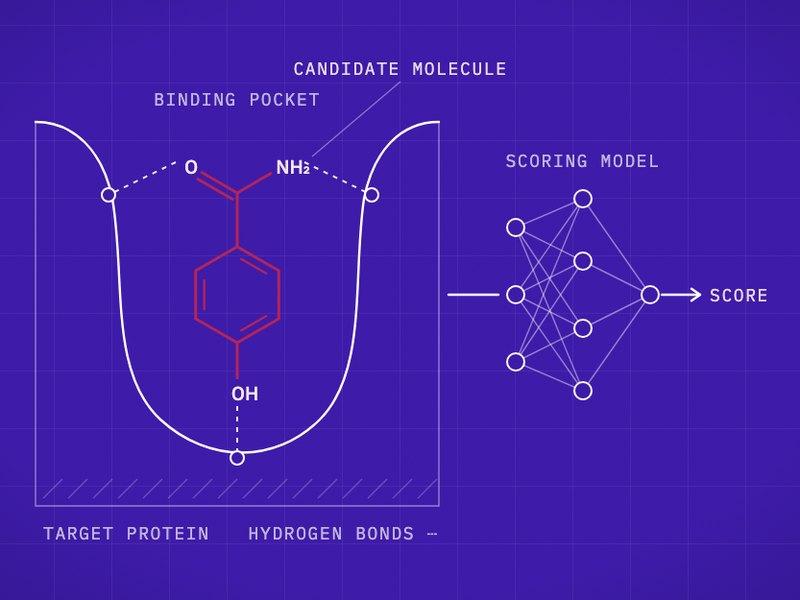
Computational chemistry, medicinal chemistry, pharmacology, and computer science groups at universities, and company teams in pharmaceuticals, biotechnology, and software. Patents in this area rarely describe themselves in these terms, so the patent count is small and most of the evidence is in publications.
See who’s working on it
Counts from the Helikon Research Graph between 8 October 2026 and 13 October 2026, rounded down. Each figure is counted on its own, so they aren’t added together. Each page explains how its figures were counted.